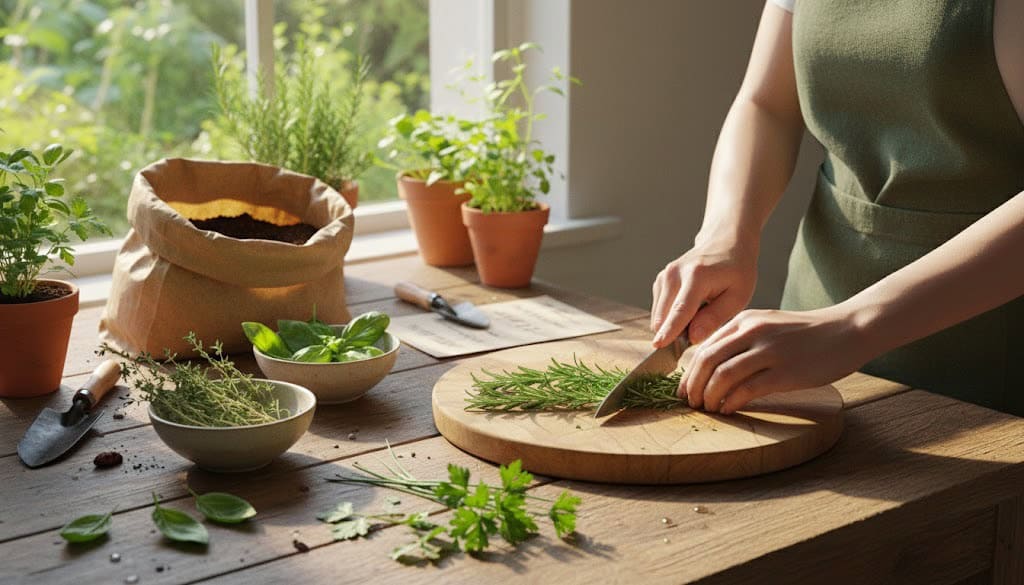
Cannabis and culinary herbs have more in common than you might think: they’re plants grown from seed, nurtured with light, water, and nutrients, and harvested at just the right moment to release their full flavor potential. While growing herbs like basil, rosemary, and thyme in your garden has long been a staple of kitchen gardening, an increasing number of home growers are also cultivating cannabis for culinary use in places where it’s legal. By bridging the gap between garden produce and kitchen creativity, you can transform your harvest into memorable meals—from infused oils and butters to sauces and desserts.
In this guide, we’ll walk you through growing cannabis and herbs together, harvesting and storing them properly, infusing everyday ingredients, and serving up delicious cannabis recipes that bring your garden to the dinner table.
Why Grow Cannabis with Your Kitchen Herbs?
Growing cannabis alongside common culinary herbs and vegetables lets you design a culinary ecosystem—a garden that feeds both your body and your creativity.
Benefits of Co‑Planting
- Efficient space use: Herbs like basil, mint, or oregano take up little room and can be interplanted with cannabis.
- Natural pest control: Some herbs release aromas that deter pests, creating a healthier microclimate for your cannabis plants.
- Flavor synergy: Terpenes—the aromatic compounds in cannabis—also influence flavor. When paired with culinary herbs like rosemary or citrus basil, these terpenes can enhance meals in exciting ways.
However, it’s important to note that home cultivation of cannabis is not legal everywhere. Always check local regulations before planting cannabis, even for culinary use.
Growing and Harvesting: Practical Tips for Gardeners
Whether you’re growing herbs or cannabis, success in the garden begins with attention to soil, sunlight, and timing.
Choosing the Right Spot
- Sunlight: Most culinary herbs and cannabis thrive in full sun (6–8 hours a day).
- Soil: A well‑draining, fertile soil with plenty of organic matter is ideal.
- Companion plants: Try planting basil and parsley near cannabis to make a fragrant kitchen patch that serves both flavor and function.
Watering and Nutrients
- Avoid overwatering: both herbs and cannabis prefer moist—not soggy—soil.
- Use organic compost and balanced fertilizers to promote healthy growth.
- During flowering (for cannabis), nutrients should lean more toward phosphorus and potassium to support budding.
Harvesting at the Right Time
- Herbs: Clip herbs like oregano or thyme before they flower to get the best taste.
- Cannabis: Harvest when trichomes (tiny resin glands on buds) move from clear to milky or amber. This is when cannabinoids like THC and CBD are most potent.
Drying, Curing, and Storing Cannabis for Cooking
Proper processing after harvest is essential if you plan to cook with cannabis.
Drying and Curing
- Trim fresh buds and hang them upside down in a cool, dark room with good airflow.
- Dry for about 7–10 days until stems snap cleanly.
- Place dried buds in airtight jars and “burp” them (open briefly) daily for two weeks to cure. This enhances flavor and reduces harshness.
Storing
- Store dried cannabis in airtight containers.
- Keep containers in a cool, dark place—light and heat degrade cannabinoids and terpenes.
Infusing Everyday Ingredients
The heart of cannabis culinary creation is in infusion—blending your activated cannabis with everyday fats and liquids that carry flavor into dishes.
Cannabutter
Cannabutter is one of the most versatile infused ingredients:
- Melt unsalted butter in a saucepan
- Add decarboxylated cannabis
- Simmer on low heat for 2–3 hours, stirring occasionally
- Strain through cheesecloth and chill
Use this butter in baking, sauces, or to sauté vegetables.
Cannabis‑Infused Oil
Infused oils are great for salad dressings or roasting:
- Combine decarboxylated cannabis with a neutral or flavored oil (olive oil, coconut oil)
- Simmer on low heat for 2–3 hours
- Strain and store
Flavor pairing tip: Use an herbaceous olive oil with fresh basil or rosemary from your garden for a synergistic taste.
Infused Sauces and Dressings
Sauces add a gourmet touch:
- Make a cannabis‑infused mustard gravy by blending cannabutter with Dijon mustard, cream, and a splash of herbs. It goes beautifully over roasted potatoes or grilled veggies.
Cannabis Teas and Sweet Infusions
- Cannabis can also be infused into sugars (called canna sugar), which can sweeten tea, coffee, or desserts. This involves soaking decarboxylated cannabis in alcohol and then mixing with sugar to dry.
Creative Recipes
Here are real recipe ideas that blend cannabis with everyday herbs and foods:
1. Cannabis‑Infused Mustard Gravy
A simple sauce that can elevate roasted herbs and root vegetables.
Pour over potatoes, roasted herbs, or even grilled mushrooms for a rich dinner accent.
2. Red Velvet Marijuana Brownies
These rich, chewy brownies use cannabis‑infused butter and are a perfect sweet treat.
Serve with a garnish of fresh mint or citrus zest from your garden
3. Cannabis‑Infused Jam
Mix fresh fruit from your garden with cannabis oil or tincture to create a unique breakfast spread.
Pair with homemade rosemary or thyme breads for extra flavor interplay.
4. Cannabutter Steak
Add herb‑infused cannabutter with rosemary and thyme to pan‑seared steak for an elevated main course.
5. Cannabis Peanut Butter
Blend infused oil into peanut butter for sandwiches or sauces.
Add a sprinkle of garden‑grown cinnamon or a dash of herb salt for savory notes.
Pairing Marijuana with Garden Herbs and Vegetables
The art of edible cooking is all about flavor balance—the way tastes complement and contrast.
Flavor Pairing Ideas
- Citrus terpenes + basil: Brightens creams and oils.
- Piney cannabis strains + rosemary: Works well with roasted root vegetables.
- Earthy cannabis + thyme: A match for mushrooms and sautéed greens.
Infusion Into Everyday Dishes
- Drizzle cannabis‑infused olive oil on heirloom tomatoes with fresh basil and sea salt.
- Toss roasted zucchini with a garlic‑herb canna oil and a squeeze of lemon.
- Stir cannabutter into mashed potatoes with garden sage.
Safety, Dosing, and Legal Considerations
Infusing cannabis into food means you need to think responsibly.
Dosing
Edible cannabis affects individuals differently:
- Start low and slow—begin with a small amount of infused ingredient.
- Wait 1–2 hours before consuming more, as edibles take longer to kick in.
Legal Guidelines
Cannabis legality varies dramatically:
- In some regions (states in the U.S., Canada, parts of Europe), culinary use of homegrown cannabis is permitted under specific regulations.
- In many others, growing or cooking cannabis at home remains illegal.
Always check your local laws before planting, harvesting, or cooking with cannabis.
Conclusion
Growing herbs and cannabis side by side offers a rich tapestry of culinary possibilities. By mastering harvesting, decarboxylating, and infusing techniques, you can elevate everyday meals into something extraordinary. Whether you’re drizzling infused oil over roasted garden vegetables or baking brownies with fresh mint and cacao, the key is to blend flavor, intention, and legality.
Dive into your garden, explore the synergy of herbs and cannabis recipes, and bring the farm to your fork in the most delicious way possible.