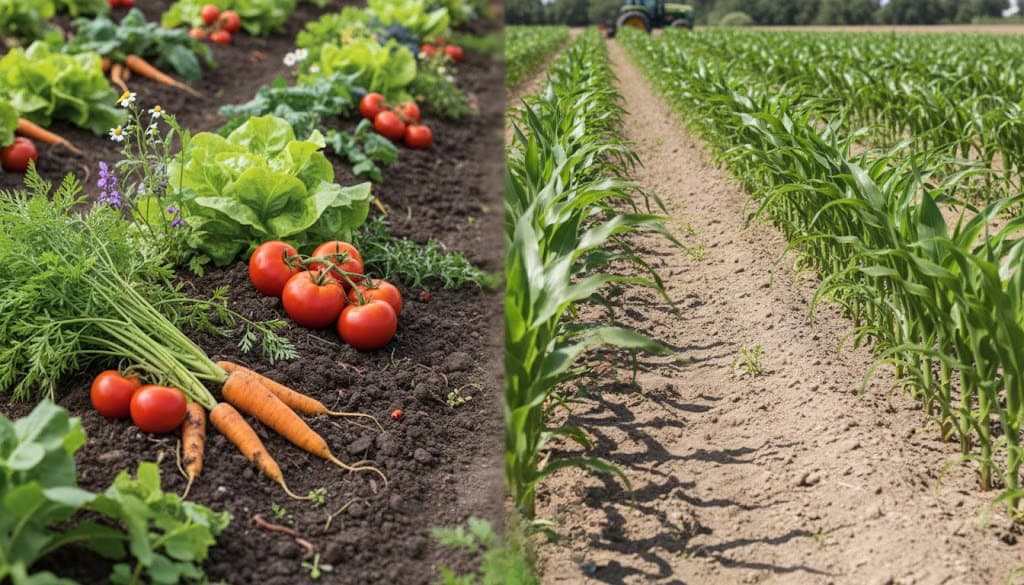
As grocery store aisles expand and food labels become more complex, many consumers find themselves asking an important question: What’s the real difference between organic and conventional farming? Beyond higher price tags and green packaging, the distinctions involve how food is grown, how it affects human health, its environmental footprint, and what various labels actually mean.
This consumer-focused guide breaks down organic vs conventional farming in clear, practical terms—so you can make informed food choices aligned with your health priorities, budget, and values.
Understanding the Basics: What Do “Organic” and “Conventional” Mean?
Before comparing the two systems, it’s important to understand their definitions.
What Is Organic Farming?
Organic farming is a production system regulated by specific standards (such as USDA Organic in the United States or EU Organic in Europe). While exact rules vary by country, organic farming generally emphasizes:
- Natural fertilizers like compost and manure
- Crop rotation and biodiversity
- Biological or mechanical pest control
- Prohibition of synthetic pesticides, herbicides, and fertilizers
- No genetically modified organisms (GMOs)
- Restrictions on antibiotics and growth hormones in livestock
Organic farming aims to work with natural ecosystems rather than controlling them with synthetic inputs.
What Is Conventional Farming?
Conventional farming refers to the dominant modern agricultural system. It focuses on maximizing efficiency, yields, and consistency through:
- Synthetic fertilizers and pesticides
- Chemical weed and pest control
- Genetically modified crops (where legal)
- Growth hormones and antibiotics in livestock (regulated by law)
- Mechanized, large-scale production
Conventional methods are designed to produce food at scale and at lower cost for consumers.
Production Methods: How Food Is Grown and Raised
Crop Production Differences
Organic crops rely on soil health and natural cycles. Farmers build fertile soil through compost, cover crops, and crop rotation, which can help reduce pests and disease naturally.
Conventional crops often depend on synthetic fertilizers to provide nutrients directly to plants and chemical pesticides to control weeds and insects. These methods can result in higher yields per acre.
What this means for consumers:
Organic produce may be grown more slowly and with fewer chemical residues, while conventional produce is often more uniform, plentiful, and affordable.
Animal Farming Practices
In organic animal agriculture:
- Animals must have access to the outdoors
- Feed must be 100% organic
- Antibiotics and synthetic growth hormones are prohibited
- Emphasis is placed on animal welfare
In conventional systems:
- Animals may be raised in confined feeding operations
- Antibiotics may be used to prevent disease (with strict withdrawal periods)
- Growth hormones may be used in some countries
Consumer takeaway: Organic meat, dairy, and eggs often appeal to those concerned about animal welfare and antibiotic resistance.
Health Impacts: Is Organic Food Better for You?
One of the most common consumer questions is whether organic food is healthier.
Nutritional Differences
Research shows no consistent, dramatic nutritional superiority of organic food over conventional food. However, some studies suggest:
- Slightly higher antioxidant levels in certain organic fruits and vegetables
- Higher omega-3 fatty acids in organic dairy and meat
- Lower cadmium levels in some organic crops
That said, the overall nutritional value of fruits and vegetables—organic or conventional—is far more important than the production method.
Pesticide Residues
Organic foods generally have lower pesticide residues, though conventional foods typically remain within legally safe limits.
For consumers who prioritize minimizing chemical exposure—especially for children, pregnant women, or those with sensitivities—organic options may provide peace of mind.
Antibiotics and Hormones
- Organic standards prohibit routine antibiotic use
- Conventional farming allows limited antibiotic use under regulation
Some consumers choose organic products to reduce exposure to antibiotic-resistant bacteria or synthetic hormones, even though regulatory agencies deem conventional products safe.
Environmental Impact: Sustainability Matters
Environmental concerns play a major role in the organic vs conventional debate.
Soil Health and Biodiversity
Organic farming practices often improve:
- Soil structure and fertility
- Microbial diversity
- Pollinator populations
By avoiding synthetic chemicals, organic farms may support healthier ecosystems.
Conventional farming can sometimes degrade soil through overuse of fertilizers and monocropping, though modern practices like precision agriculture aim to reduce these impacts.
Water Quality
Synthetic fertilizers and pesticides used in conventional farming can run off into waterways, contributing to:
- Algal blooms
- Water pollution
- Ecosystem damage
Organic systems reduce this risk but are not entirely impact-free.
Climate Change Considerations
Organic farming generally uses less fossil fuel-based inputs but may require more land due to lower yields.
Conventional farming often produces more food per acre, which can reduce land use but increase greenhouse gas emissions from fertilizer production.
Bottom line for consumers: Neither system is perfect. Organic farming tends to prioritize ecological health, while conventional farming emphasizes efficiency and scale.
Pricing: Why Is Organic Food More Expensive?
Price is one of the biggest barriers for consumers considering organic products.
Why Organic Costs More
Organic food typically costs more because:
- Labor-intensive practices replace chemical inputs
- Lower yields per acre
- Costly certification processes
- Smaller-scale production
- Higher animal welfare standards
Is Organic Worth the Price?
This depends on your priorities. Many consumers choose to:
- Buy organic for high-pesticide crops (like strawberries or spinach)
- Choose conventional for produce with thick peels (like bananas or avocados)
- Purchase organic animal products while buying conventional produce
Smart shopping strategies allow consumers to balance health goals and budgets.
Food Safety: Organic vs Conventional
Food safety standards apply to both organic and conventional foods.
Pathogens and Contamination
Organic foods are not inherently safer or riskier when it comes to bacteria like Salmonella or E. coli. Proper food handling, washing, and cooking remain essential regardless of farming method.
Regulatory Oversight
- Organic foods must meet additional certification standards
- Conventional foods are regulated for pesticide use, antibiotic residues, and food safety
Consumers can trust that both systems are legally monitored, though organic involves stricter production rules.
Labeling Explained: What Do Food Labels Really Mean?
Understanding food labels is critical for consumers navigating organic and conventional choices.
“100% Organic”
- All ingredients are certified organic
- Highest organic standard
“Organic”
- At least 95% organic ingredients
- Remaining ingredients must be approved
“Made with Organic Ingredients”
- At least 70% organic ingredients
- Cannot use the organic seal
“Natural” vs Organic
“Natural” has no strict legal definition in many countries and does not mean organic. It does not address pesticide use, GMOs, or animal welfare.
GMO Labels
- Organic products cannot contain GMOs
- Conventional products may contain GMOs unless labeled otherwise
Knowing these distinctions helps consumers avoid misleading marketing.
Taste and Quality: Does Organic Taste Better?
Taste is subjective, but many consumers report that organic food tastes fresher or more flavorful.
Possible reasons include:
- Smaller-scale production
- Emphasis on soil health
- Shorter supply chains (local organic farms)
However, freshness, variety, and handling often matter more than whether food is organic or conventional.
Accessibility and Availability
Organic Food Access
Organic food availability has improved dramatically in recent years, but access can still be limited in:
- Rural areas
- Low-income neighborhoods
- Developing regions
Conventional Food Accessibility
Conventional farming ensures:
- Consistent food supply
- Lower prices
- Greater availability worldwide
From a global food security perspective, conventional farming plays a crucial role in feeding large populations.
Making Informed Choices as a Consumer
Rather than viewing organic and conventional farming as a strict binary, many consumers adopt a flexible, informed approach.
Questions to Ask Yourself
- Is minimizing pesticide exposure important to me?
- Am I concerned about environmental sustainability?
- What fits my budget?
- Do I prioritize animal welfare?
Practical Consumer Tips
- Wash all produce thoroughly, organic or not
- Buy seasonal and local when possible
- Read labels carefully
- Support brands that align with your values
- Focus on eating more fruits and vegetables overall
Organic vs Conventional: A Balanced Perspective
The debate between organic and conventional farming is often polarized, but reality is more nuanced.
Organic farming emphasizes ecological balance, reduced chemical use, and animal welfare.
Conventional farming prioritizes efficiency, affordability, and food security.
Neither system is universally “better.” What matters most is that consumers have accurate information to make choices that suit their health, values, and circumstances.
Final Thoughts
Choosing between organic and conventional food is a personal decision—not a moral one. Both systems contribute to the modern food supply, and both continue to evolve.
For consumers, the key is understanding:
- How food is produced
- What labels actually mean
- How choices impact health, environment, and budget
Armed with knowledge rather than marketing myths, you can shop with confidence—whether you’re filling your cart with organic produce, conventional staples, or a thoughtful mix of both.
In the end, the healthiest choice is the one that helps you eat well, consistently, and consciously.