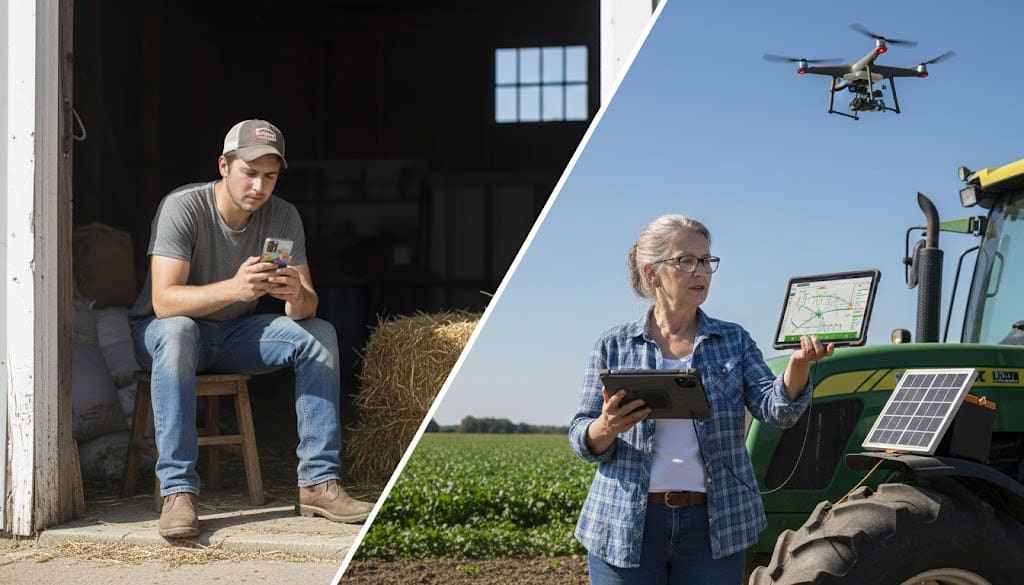
Modern agriculture is no longer defined solely by tractors, soil health, and rainfall patterns. Today’s farmers rely on satellites, smartphones, cloud-based platforms, and real-time analytics to make critical decisions. The same device that provides weather alerts, crop pricing updates, and livestock health tracking can also deliver endless social media scrolling, streaming services, and adult entertainment content.
This dual nature of digital technology presents a powerful question for the modern agricultural professional: Are smartphones empowering productivity on the farm, or quietly undermining it?
In this in-depth exploration, we’ll examine how digital tools are transforming agriculture, the risks of digital distraction—including easy access to entertainment such as videos x—and practical strategies to maintain mental focus and digital boundaries in rural work environments.
The Rise of the Digital Farm
Over the past decade, agriculture has undergone a profound digital transformation. Precision farming, data analytics, GPS-guided equipment, and AI-driven forecasting have moved from cutting-edge innovations to everyday tools.
Smartphones as Essential Farm Equipment
For many farmers, a smartphone is as important as a wrench or seed drill. Key uses include:
- Weather forecasting apps with hyper-local radar
- Soil and crop monitoring platforms
- Livestock management systems
- Market price tracking tools
- Farm accounting and inventory apps
- Equipment diagnostics and telematics
These digital tools increase efficiency, reduce waste, and improve decision-making accuracy. A farmer can check soil moisture levels from a field, monitor grain prices in real time, and order parts—all without leaving the tractor cab.
Digital productivity is no longer optional; it’s foundational.
The Productivity Power of Farming Apps
Digital tools on farms do far more than replace paper records. They create measurable improvements in output and profitability.
Real-Time Data for Smarter Decisions
Modern agricultural apps offer:
- Satellite imagery for crop health
- GPS mapping for optimized planting
- Variable-rate technology recommendations
- Livestock health alerts
- Predictive disease modeling
This data-driven approach allows farmers to apply inputs more precisely, reduce costs, and increase yields. For example, variable-rate fertilizer applications can significantly cut waste while boosting productivity.
Improved Time Management
Rural workdays are long and physically demanding. Farming apps streamline workflows by:
- Automating inventory tracking
- Scheduling equipment maintenance
- Sending automated reminders
- Centralizing communication
Instead of juggling paperwork and memory, farmers can rely on digital dashboards to stay organized.
Financial Visibility and Stability
Budgeting and forecasting tools help farmers manage fluctuating commodity prices, loan obligations, and operational expenses. Digital record-keeping also simplifies compliance and reporting requirements.
In short, when used intentionally, smartphones are productivity multipliers.
The Other Side: Digital Distractions on the Farm
While smartphones offer valuable tools, they also provide constant access to distractions.
Social media feeds, streaming platforms, gaming apps, and adult entertainment content are just a tap away. In rural environments where physical isolation is common, digital devices become primary entertainment hubs.
Why Distraction Hits Harder in Rural Settings
Farming often involves:
- Long hours alone in tractors or barns
- Repetitive tasks
- Seasonal stress peaks
- Limited in-person interaction
During slow periods—like waiting for machinery cycles or monitoring irrigation—checking a phone can feel harmless. But small interruptions accumulate.
Digital distractions can fragment attention, reduce mental clarity, and interrupt workflow momentum.
The Psychology of Digital Distraction
Understanding how digital distraction works is key to managing it.
The Dopamine Loop
Apps are designed to capture attention. Notifications, algorithmic feeds, and video platforms trigger dopamine responses in the brain. Each scroll or click offers unpredictable rewards—new content, social validation, or novelty.
This reward cycle can:
- Reduce sustained focus
- Increase impulsive phone checking
- Create habitual distraction patterns
Entertainment as Escape
Farming is stressful. Weather unpredictability, financial uncertainty, and physical exhaustion can lead people to seek digital escape.
Streaming shows or watching short videos may feel like a quick mental break. However, certain types of content—especially highly stimulating material such as porn videos—can intensify the brain’s reward cycle and make it harder to return to focused work.
The Impact on Productivity
Even brief distractions can carry hidden costs.
Task Switching and Cognitive Drain
When a farmer switches from reviewing irrigation data to scrolling through entertainment content, the brain must shift contexts. Research on attention shows that frequent task switching:
- Reduces efficiency
- Increases mistakes
- Slows reaction time
- Drains mental energy
In agriculture, reduced focus can lead to costly errors—misapplied chemicals, missed equipment alerts, or overlooked health issues in livestock.
Safety Risks
Farm work involves heavy machinery, chemicals, and large animals. Distraction in these environments can be dangerous.
Using a smartphone while operating equipment—even for seemingly quick checks—raises the risk of accidents. The difference between checking a crop health map and watching unrelated entertainment content may seem small in time, but both can compromise safety when used improperly.
Digital Boundaries in a Connected World
The solution is not to abandon smartphones. Instead, farmers need structured digital boundaries.
Intentional Use vs. Passive Consumption
The key distinction lies in purpose.
Intentional use:
- Checking weather alerts before spraying
- Logging livestock health data
- Reviewing financial dashboards
Passive consumption:
- Endless social media scrolling
- Random video browsing
- Habitual checking without clear purpose
The more intentional the usage, the more productive the outcome.
The Role of Adult Content in Digital Distraction
Adult entertainment is one of the most accessible forms of digital content today. High-speed internet has reached many rural areas, and smartphones make private viewing effortless.
While personal choices are individual, excessive consumption of highly stimulating content can:
- Disrupt focus and motivation
- Contribute to procrastination
- Interfere with sleep cycles
- Affect mood and energy levels
On farms where independence and self-discipline are crucial, losing control over digital habits can subtly erode productivity.
Maintaining boundaries around this type of content is part of maintaining professional focus.
Mental Focus in Rural Work Environments
Mental clarity is a valuable asset in agriculture. Unlike many desk jobs, farming requires constant awareness of physical surroundings.
Deep Work in Agriculture
Many farm tasks benefit from sustained attention:
- Monitoring livestock behavior
- Calibrating machinery
- Analyzing crop data
- Planning seasonal rotations
Deep focus reduces mistakes and increases efficiency. Digital interruptions, especially during complex tasks, can undermine this cognitive state.
Strategies for Digital Productivity on the Farm
Farmers can take practical steps to balance productivity and distraction.
1. Designate “Work Mode” on Devices
Use features like:
- Focus mode
- App blockers
- Notification silencing
- Scheduled downtime
Limit entertainment apps during peak working hours.
2. Separate Work and Leisure Devices
If possible, keep:
- One device dedicated to farm management
- Another for personal entertainment
Physical separation reduces temptation.
3. Schedule Digital Breaks
Instead of spontaneous scrolling, set specific break times:
- 10 minutes after lunch
- Short breaks between major tasks
- Evening downtime after work
Structured breaks prevent random interruptions.
4. Use Data Dashboards Strategically
Batch-check data rather than constantly monitoring updates. For example:
- Review crop analytics twice daily
- Check market prices at fixed times
This minimizes unnecessary screen time.
5. Create Screen-Free Zones
Establish phone-free rules in:
- Tractor operation
- Chemical application
- Livestock handling
Safety and focus should take priority.
Building Healthy Digital Habits
Digital discipline is similar to farm management: it requires systems.
Track Screen Time
Most smartphones provide usage reports. Monitoring time spent on entertainment versus productivity apps reveals patterns that may need adjustment.
Remove High-Temptation Apps
If certain platforms consistently drain time, deleting or restricting them during work seasons can protect focus.
Improve Offline Coping Mechanisms
Instead of turning to digital escape during stress:
- Take short walks
- Stretch between tasks
- Talk with other farmers
- Practice brief mindfulness exercises
Healthy stress management reduces reliance on distraction.
Community and Accountability
Rural communities often thrive on shared values of responsibility and hard work. Discussing digital productivity openly can normalize healthy boundaries.
Farmers’ cooperatives, local associations, or family operations can:
- Share productivity strategies
- Encourage safe phone practices
- Promote mental health awareness
Accountability strengthens discipline.
Technology as a Tool, Not a Master
Digital agriculture will only grow more sophisticated. Artificial intelligence, drone surveillance, blockchain traceability, and automated robotics are reshaping farming.
The smartphone is not the enemy—it’s a tool.
Like any tool, its value depends on how it’s used.
When leveraged intentionally, digital technology:
- Increases yields
- Improves safety
- Enhances profitability
- Reduces environmental impact
When used without boundaries, it can:
- Fragment attention
- Reduce motivation
- Compromise safety
- Undermine work quality
The Future of Digital Balance in Agriculture
As younger generations enter farming, digital fluency will rise. However, digital discipline must rise alongside it.
Future farms may integrate:
- Wearable tech for health monitoring
- Augmented reality for machinery repair
- AI assistants for crop planning
With increasing connectivity comes increasing responsibility.
Farmers who master both productivity tools and digital boundaries will gain a competitive edge—not just in output, but in mental resilience.
Cultivating Focus in the Digital Age
The modern farm sits at the intersection of tradition and technology. Smartphones provide unprecedented access to data, efficiency tools, and global markets. They are powerful allies in agricultural success.
At the same time, they offer endless distraction—from social media to streaming platforms and adult entertainment content—that can quietly erode focus, productivity, and safety.
The solution is not digital avoidance, but digital awareness.
By setting boundaries, using apps intentionally, and prioritizing mental clarity, farmers can harness the benefits of digital innovation without falling prey to its distractions.
In agriculture, success has always depended on stewardship—of land, animals, finances, and time. Today, that stewardship extends to attention itself.
The most productive modern farms are not just technologically advanced.
They are digitally disciplined.